
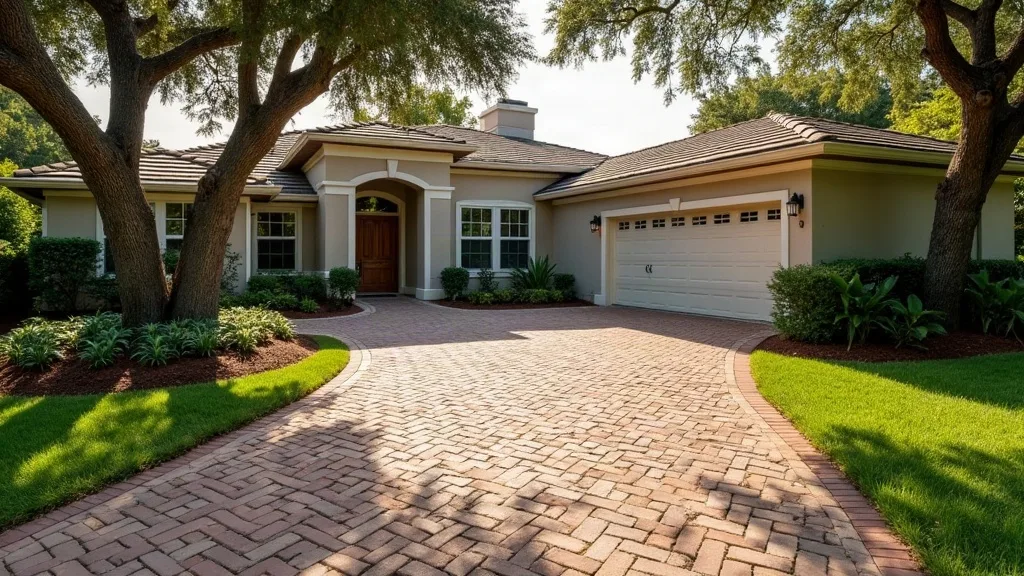
Deeper color, tighter joints and easier upkeep
Paver Sealing in Fleming Island
Call (904) 682-0688 for a free paver sealing estimate.
- Brings out deeper paver color
- Fresh joint sand helps lock pavers in place
- Gives weeds less room to grow
- Makes the surface easier to keep clean
- Free estimate, no obligation
Request a Free Estimate
Free, no obligations.
What does paver sealing do for your home?
Paver sealing brings back deep color, helps hold the joint sand in place and makes pavers easier to keep clean. Fresh joint sand gives weeds less room to grow. The driveway you pull into each evening starts to look cared for again. To get a free estimate with no obligation, call (904) 682-0688.
A proper job starts with cleaning, because sealer locks in whatever is on the surface. After the wash, the joints are refilled with sand and the pavers need time to dry. Only then does the sealer go on, usually by spray, roller or both. Driveways, walkways, patios and pool decks can all be sealed, and each takes different wear. A driveway deals with tires and oil, and a pool deck deals with water and foot traffic. Tell the contractor how each area gets used when you request a quote.
Fleming Island Paver Sealing Is Proud to Serve the Fleming Island Area
What is included in a paver sealing job?
Sealing makes the most sense when pavers have faded, joints have lost sand or water no longer beads on a surface that was sealed before. Waiting too long is rarely a disaster. But sand loss lets weeds in and lets pavers start to shift, and that repair costs more than a maintenance coat. To get yours looked at, call (904) 682-0688.
The sealer choice most affects how the job looks and what can be done later, so ask which one the contractor plans to use. Water-based products have low VOCs and a mild odor, clean up easily and can be followed later by either type. Solvent-based products have high VOCs and a strong odor, typically give a higher gloss with stronger color, and must generally be followed by solvent-based products. Florida installers disagree on which holds up better in humidity, and much of that debate comes from companies selling one type. Want to talk it through? Call (904) 682-0688.
Wet look deepens the color and adds shine, which many homeowners like on darker brick. Matte stays close to the original appearance. Wet look also tends to show scuffs sooner, so a heavily used driveway may suit a lower sheen. Not sure which suits your home? Ask to see examples when you request a quote.
Companies around Florida commonly quote two to five years between coats. Full sun, sprinklers and daily car traffic push that toward the short end, and covered or lightly used areas can last longer. A simple test is to splash water on the surface: if it soaks in quickly instead of beading, the coat may be wearing out. To have it checked, call (904) 682-0688.
Here is a common myth: more sealer means more protection. It does not. Family Handyman says sealing more often does not add protection. It suggests resealing every three to five years, once the old coat has worn down. Unilock, a paver manufacturer, warns that too much sealer or an uneven coat can leave haze and lap marks. Be careful with any offer built around extra coats, and ask how the contractor measures coverage before you request a quote.
New pavers need a wait before the first coat. Unilock says to hold off 60 to 90 days, which gives the white, salty haze called efflorescence time to clear. Sealing too soon can trap moisture under the coat. If your pavers are newer than that, mention the install date when you call (904) 682-0688.
Sealing will not fix pavers that have sunk or pulled away from the edge. Those sections need to be leveled first, so ask whether the price includes that work. Joint sand also comes in different colors, and a shade close to your pavers gives the surface a more even look. Bring up both when you request a quote.
Weather and sprinklers set the schedule. Unilock says to plan for 24 to 48 hours of dry weather. It also says to keep automatic sprinklers off after sealing, since trapped water can leave white marks. Its target range is about 50 to 90 degrees, because pavers that are too hot can stain or peel. Before the job, move cars and outdoor furniture, and ask when the sprinklers can go back on. To line up a date, call (904) 682-0688.
Surface inspection
The contractor checks for sunken sections, failed old sealer, stains and how water moves across the surface.
Cleaning
Algae, dirt and residue come off first, since sealing over them traps them under the coat.
Joint sand
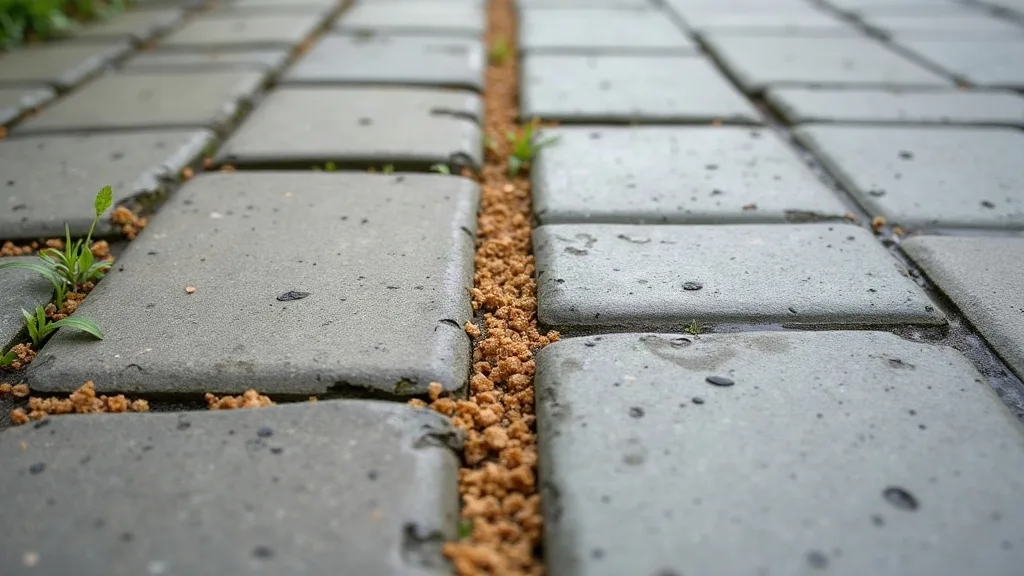
Sand goes back into the joints so the pavers stay locked together and weeds have less room to grow.
Sealer application
The chosen product goes on a dry surface in the coverage its manufacturer calls for.
Paver surfaces that get sealed
Driveways
A driveway takes tires, oil drips and the most sun on the property. Sealing here is about keeping the color even and the joints full, which helps the pavers stay locked under the weight of a car.
Pool decks and lanais
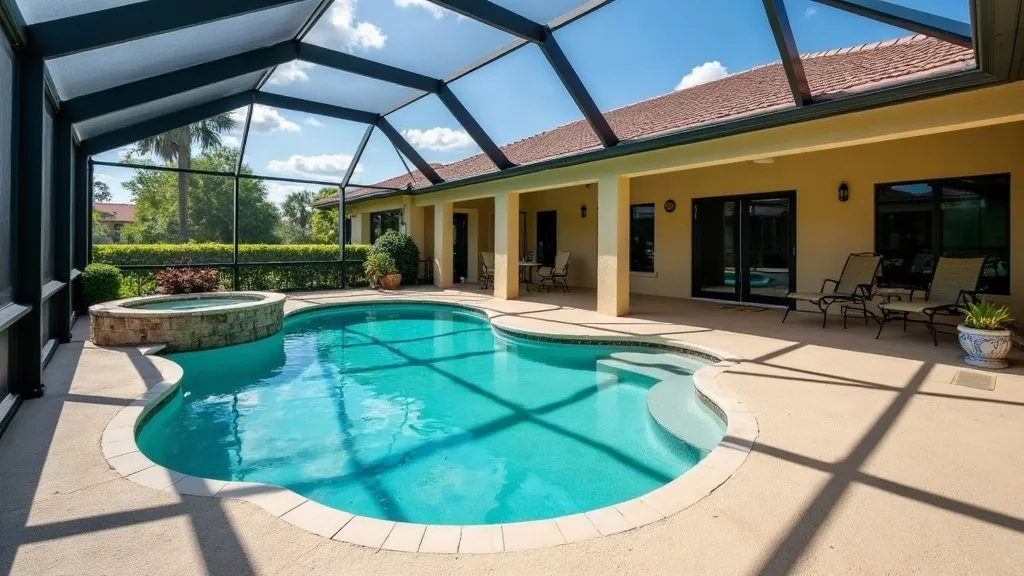
Pool decks stay wet, and splash water and bare feet wear them in their own way. Sealing around a pool should leave a surface that still drains and does not turn slick.
Patios
Patios often sit in shade, so algae gets started early and stays longer. Sealing on a patio focuses on getting those green areas clean and slowing their return.
Walkways and entries
Walkways are narrow, close to the landscaping and easy to stain with soil and irrigation runoff. Sealing near an entry makes the first thing a visitor steps on look cared for.
5 common paver problems in Fleming Island
1. Fading from full sun
Florida sun washes the color out of unprotected pavers, and driveways with no shade go first. A fresh coat brings depth back and slows that fading.
2. Green growth in shaded corners
Fleming Island has heavy oak cover and humid air, so shaded corners and north-facing walkways grow algae. Left alone it gets slick, which is a concern on a pool deck or front walk.
3. Joint sand washing out
Heavy summer rain carries sand out of the joints. Once it goes, pavers can shift and weeds move in, so new sand goes back before any sealer goes down.
4. Sprinkler stains
Irrigation that hits the same area every day leaves marks along edges and lower walls. Well water can make it worse. Those marks need treating before they are sealed in.
5. Cloudy or peeling old sealer
Old sealer can turn cloudy or lift when moisture is trapped under it. It has to be dealt with first, and a water-based product cannot go over a solvent-based one.
Paver sealing pricing in Fleming Island
Price follows square footage first, then condition. Heavily stained pavers, sunken sections and failed old sealer take more labor. To replace these ranges with a real number for your home, request a quote. The estimate is free, with no obligation.
Not ready to seal yet? Read about paver cleaning and joint sand, or check the areas we serve around paver sealing in Fleming Island.
| Paved area | Typical example | Clean, sand and seal |
|---|---|---|
| 300 sq ft | Small patio or walkway | $450 to $750 |
| 600 sq ft | Two car driveway | $900 to $1,500 |
| 1,000 sq ft | Large driveway or pool deck | $1,500 to $2,500 |
| 1,500 sq ft | Driveway plus pool deck | $2,250 to $3,750 |
Math based on the $1.50 to $2.50 per square foot that Northeast Florida paver companies published as of November 2026. Your contractor sets the actual price after seeing the surface. Repairs, leveling and stripping failed sealer are usually extra.
Why choose us for paver sealing?
One contractor, not a bidding list
Your request goes to one independent company that covers your area. That means you will not get a run of calls from several businesses chasing the same driveway.
No cost to homeowners
Using this website is free. Any price you pay is agreed directly with the contractor, and you are under no obligation to accept it.
Local pricing up front
You can see what Northeast Florida companies publish per square foot before you speak with anyone, so the first number you hear has context.
You stay in control
You decide whether to hire the contractor. See what to look for in a contractor, get the price in writing and take the time you need.
Contact Us Today for a Free Estimate
One request goes to one independent contractor who serves your area.
Free, no obligations
How the paver sealing process works
1. Inspect the surface
The contractor walks the pavers and checks for sunken sections, stains, old sealer and how water runs off before pricing the sealing job.
2. Clean it
Algae, dirt and residue come off first, in sections, using a pressure that leaves the joints intact.
3. Refill the joints
Once the surface has dried enough, fresh sand goes into the joints so the pavers lock together again.
4. Let it dry and apply
Sealer only goes on a dry surface, so timing follows the weather. It goes on by spray, roller or both in the finish you picked.
5. Walk it with you
The contractor shows you the finished area, explains how long to stay off it and tells you when it will likely need another coat.
Frequently Asked Questions
What do professionals use to seal pavers?
Most use a water-based or solvent-based paver sealer, put down by spray, roller or both. Water-based products have a mild odor and can be followed later by either type. Solvent-based products usually give more gloss but must generally be followed by solvent-based products.
Is it better to spray or roll paver sealer?
Either can work. Unilock, a paver manufacturer, lists a sprayer or a foam or short pile roller, and says a dry roller can soak up extra sealer so it does not streak. Ask the contractor which method they use on your surface.
How do I know my pavers need sealing?
Splash some water on them. If it soaks in quickly instead of beading, the coat may be wearing out. Fading color, lost joint sand and new weeds are the other signs.
How much does it cost to seal pavers in Florida?
Companies serving Northeast Florida commonly publish $1.50 to $2.50 per square foot to clean, sand and seal. A 600 square foot driveway in Fleming Island comes to about $900 to $1,500. Repairs and stripping failed sealer are usually extra.
How often do you have to seal your pavers in Florida?
Plan on two to five years, which is the range companies here commonly quote. Heavy sun, irrigation overspray and daily car traffic push it toward the short end.
What are the downsides of sealing pavers?
The main one is that sealing is a repeat cost. Once solvent-based sealer is down, you generally have to stay with solvent-based products. A wet look finish also tends to show scuffs sooner.
Is wet look or matte better?
It comes down to appearance. Wet look gives deeper color and shine, and matte looks closer to unsealed pavers. Wet look tends to show scuffs sooner.
Can a new sealer go over the old one?
Sometimes. Water-based sealer cannot go on top of solvent-based sealer. A contractor can test a small area before committing to a product.
How long does a paver sealing job take in Fleming Island?
It depends on size, condition and weather. The surface has to be cleaned, sanded and fully dry before sealer goes on, so a summer storm can move the schedule.
Can you seal pavers around a pool in Fleming Island?
Yes. Pool decks and lanais are commonly sealed. Ask which product the contractor recommends for a surface that stays wet and gets bare feet, and whether a grip additive is an option.